Most Australian poker players have watched a hand collapse after a river bet that never should have landed, and the feeling is familiar across Melbourne card rooms and home games alike. The conversation around poker ev folds has moved from niche solver talk to something regular players actually use at the table, especially when a spot looks close but the maths says walk away. This piece treats that idea as a practical decision tool, not a magic system, and looks at where folding on expected value grounds genuinely helps a session and where it just burns chips for no reason.
What poker ev folds actually measure at the table
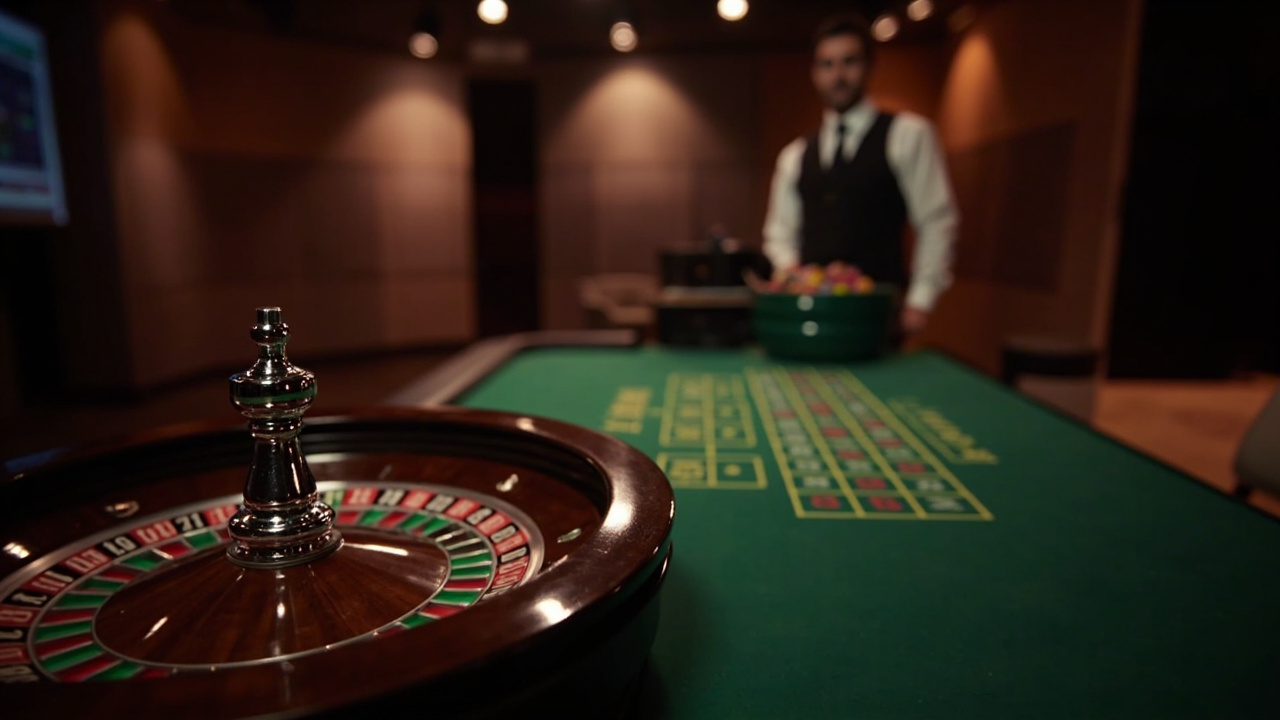
Expected value in poker is simply the average result a hand produces over many identical situations, and a fold counts as a negative expectation only when you are giving up equity you could have realised profitably. In plain terms, an ev fold is a decision to release a hand because continuing would lose money on average, even if the board looks scary or the opponent is representing a strong holding. That distinction matters because players often confuse a painful fold with a bad one, when the real question is whether the price of seeing another card or calling a bet exceeds the chance of improving to a winner. Commercial poker products and training content lean on this idea because it gives players a repeatable way to separate emotion from arithmetic, and it fits neatly into bankroll management when you treat each decision as a small bet on a long run of hands. The approach does not promise short-term relief, and it certainly does not turn a rough run into a winning session, but it does give a concrete yardstick for when a hand is costing more than it is worth.
Where the maths fits a Melbourne home game or club night
A local game around Melbourne on a busy arvo tends to run at stakes and speeds where pot odds and implied odds matter more than deep solver lines, so the ev fold idea shows up in a few familiar spots rather than in every marginal decision. A classic case is a turn call with a weak draw when the bet size pushes the required equity above what the hand can actually realise, especially against a opponent who is betting for value rather than bluffing. Another is a river fold when the board pairs or completes a flush and the price of a call asks for hero calls that the hand simply cannot justify over time. Players who track their own results often find that these folds feel worse in the moment than they are in the ledger, because the hands that get away are the ones that would have busted a stack anyway. The practical upside is that a player who folds on ev grounds in those spots stops bleeding chips on calls that look brave but are mathematically poor, and that discipline tends to matter more than any single hero call in a session that runs for hours.
Bonus and promotion structure for poker ev folds regulars
A poker-focused product that wants regulars to think in ev terms needs a bonus setup that does not punish disciplined play, and the more credible offers keep wagering on deposit matches or reload promos rather than forcing pointless turnover on tournament entries. A sensible structure might offer a matched deposit with reasonable playthrough, clear contribution rates for different game types, and caps that stop the bonus from becoming a trap for players who prefer cash games or lower-stakes tournaments. Eligibility should be straightforward, with stated limits on eligible markets and a transparent schedule for recurring promos so players can plan around them instead of chasing vague extras. From a commercial angle, this matters because players who understand ev folds are usually the ones who notice when a bonus distorts their decision-making, and a product that keeps the terms readable tends to hold that crowd longer than one that buries the details. The writer’s read is that a bonus should support a real playing style rather than encourage reckless volume, and any offer that pushes players toward marginal calls just to clear wagering is working against the very discipline the game rewards. big bass splash demo
Payments, registration and mobile use for poker ev folds players
Registration and payments need to be simple enough that a player can fund a session and start thinking about the cards rather than the paperwork, while still keeping identity checks and geo requirements clear from the outset. A credible setup would support common Australian-friendly methods, display currency handling plainly, and make the path from sign-up to first real-money hand short without skipping the steps that keep the operation compliant. Mobile play matters because a lot of poker now happens on a phone during a lunch break or an evening arvo, and the interface needs to present bet sizes, pot odds and hand history in a way that does not force the player to do extra mental work. Support should be reachable when a deposit or verification issue pops up, because nothing undercuts a disciplined approach faster than a frozen balance right before a session. The writer’s view is that the practical details around payments and mobile access are not glamorous, but they shape whether a player can actually use an ev-minded approach consistently or gets distracted by friction that has nothing to do with the cards.
Playing poker with an eye on ev folds is less about finding a secret line and more about recognising the spots where the maths says walk away, then actually doing it when the pressure is on. For an Australian player who wants a steadier session, that mindset works best when the bonus terms, payment flow and mobile setup all stay out of the way, because the real edge comes from repeating good decisions over time rather than chasing a single big win. The approach will not turn every session green, and it certainly will not make the game feel safe, but it does give a clearer reason to fold when the numbers say the hand is costing more than it is worth.
- expected value: the average result a hand or decision produces over many identical situations
- ev fold: a fold made because continuing would lose money on average, even if the spot feels close
- pot odds: the ratio of the call size to the total pot, used to judge whether a call is mathematically justified
- implied odds: the potential future bets a player expects to win if a hand improves, factored into a call decision