If you’ve spent time at a table where the pace is set by the dice and the crowd, you’ll know craps place bets explained properly can steady your session. The idea is straightforward: you pick a number, the shooter keeps rolling, and you collect when that number lands before a seven. It suits players who prefer a slower rhythm than proposition bets, and it rewards patience more than luck alone. We’ll walk through the mechanics, the payout quirks, and the real conditions that shape how these wagers behave on a busy night.
How Place Bets Sit on the Layout
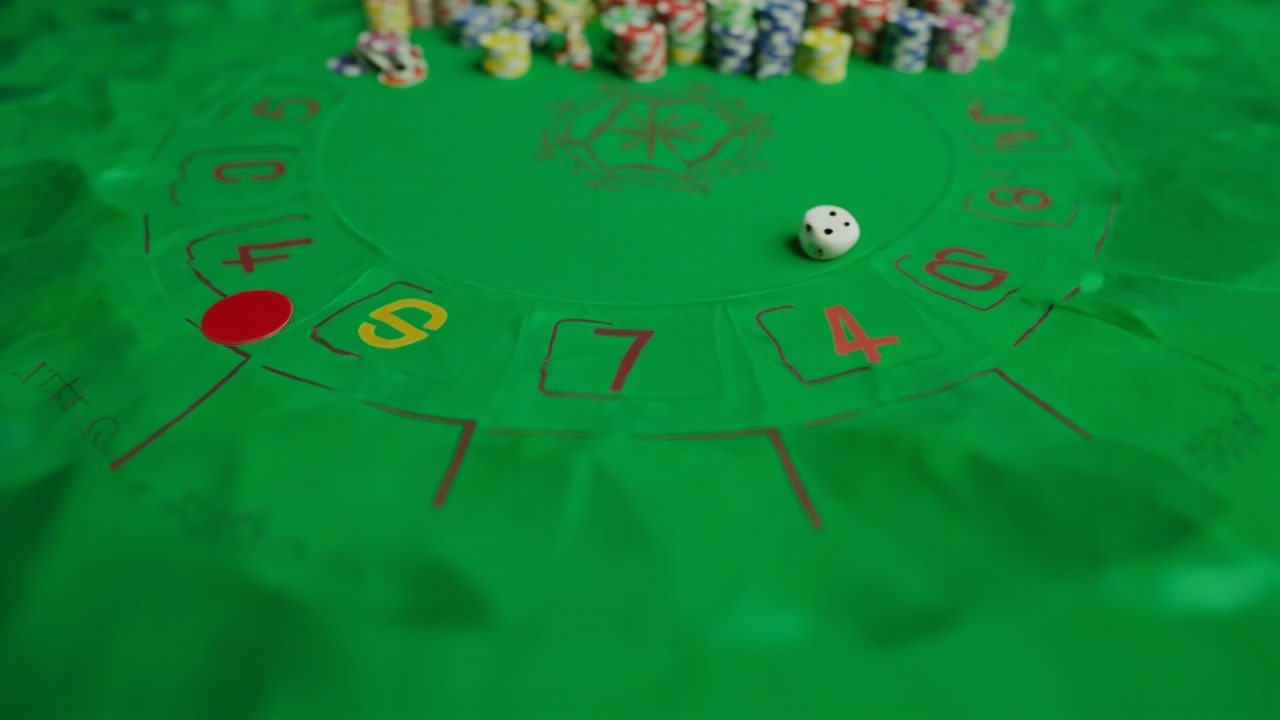
A place bet is a standing wager that stays active until the dice resolve it. You tell the dealer which number you want on – 4, 5, 6, 8, 9, or 10 – drop your chips in the correct spot, and the bet remains yours until you call it down or the table clears it. The payout differs by number because the true odds shift: 6 and 8 pay 6 to 5, 5 and 9 pay 7 to 5, and 4 and 10 pay 9 to 5. That structure matters when you’re sizing your stake, because a flat dollar amount on 4 or 10 leaves you with awkward change if you win. In practice, smart players round their wagers to match the payout, so a $30 bet on 6 or 8 returns cleanly, while a $20 bet on 4 or 10 keeps the math tidy. If you’re comparing how a table presents these options, check the visual cues and the minimum structure before you commit, and you’ll find that a clear interface makes the difference between a smooth session and constant dealer clarification. That’s exactly why the registration flow at goldenbet-casino-l0gin.com keeps the wagering details legible from the first deposit, so you’re not hunting for the rules mid-hand.
The Numbers That Matter Most
The six and eight are the workhorses of place betting because they roll more often than any other non-seven outcome, and the 6 to 5 payout keeps the edge reasonable. The five and nine fill a similar role with a 7 to 5 return, which is still workable if you size your bet in multiples of $5. The four and ten are the most expensive to hold long-term, since the 9 to 5 payout and the lower hit frequency mean you’re paying for patience. A common mistake is treating all place numbers as equal and dropping the same chip value across the board; the payout asymmetry means your bankroll drains differently depending on which number you favour. Another practical point is that place bets are not one-roll propositions, so they survive a string of empty rolls and keep you in the game without forcing a new decision every time. That continuity is useful when the table is busy and you want a wager that runs quietly in the background while you watch the shooter.
When Place Bets Work and When They Don’t
Place bets make the most sense when you want a slower, more controlled pace and you’re comfortable letting a number ride across several rolls. They’re less attractive when you’re chasing quick action, because the house edge on these wagers sits higher than on pass line bets with odds, and the payout structure can nibble at your stake if you’re betting awkward amounts. The real trade-off is between convenience and cost: a place bet is easy to place and easy to leave, but it doesn’t come with the same edge reduction you get from backing a line bet with free odds. That’s why experienced players often use place bets as a secondary position rather than the whole plan, especially on a table where the shooter is inconsistent and the rhythm keeps breaking. In my own work scaling a wagering platform through retention and compliance reviews, I’ve seen the same pattern repeat across products: a feature that feels simple on paper can quietly erode value if the payout math and the stake sizing don’t align with how people actually play.
A Practical Way to Set Them Up
Start by choosing the number you want to hold, then match your stake to the payout so you’re not leaving chips stranded in odd change. Drop the bet in the correct place area, confirm the dealer has it down, and let it ride until the number hits or you decide to call it down. If you win, decide in advance whether you’re taking the profit, pressing the bet, or reducing it back to your original size, because drift happens fast when you’re reacting to each roll. Keep an eye on the table minimum and the payout table, since a $5 minimum on 4 or 10 can force you into stakes that don’t divide cleanly, and that’s a nuisance you can avoid by planning your sizes before you approach the felt. The process is simple, but the discipline is what keeps the wager working for you instead of against you, and that’s a fair go for players who want a steadier hand on a loud table.
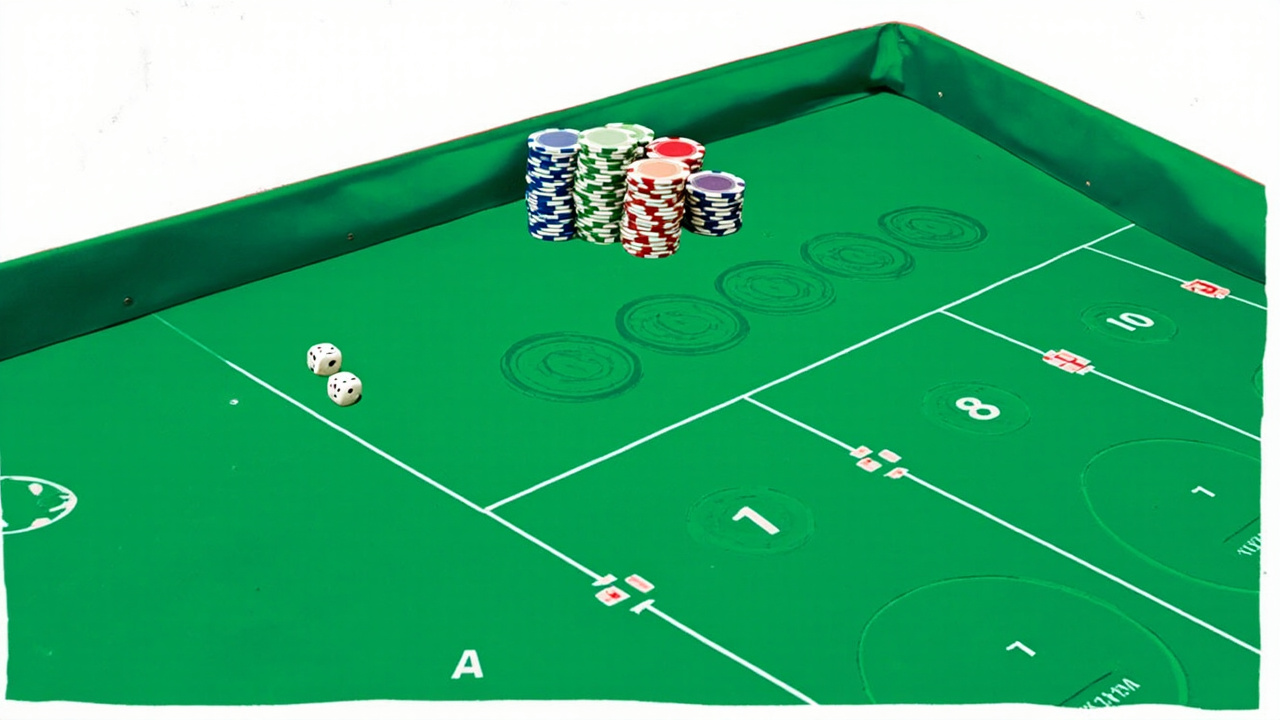
A good place bet strategy is mostly about choosing the right number, sizing to the payout, and knowing when to leave it alone. The six and eight usually give you the most comfortable ride, while the four and ten demand more patience and cleaner stake planning. Treat the wager as a steady position rather than a quick score, and you’ll find it fits a session that values control over noise. She’ll be right if you keep the math tidy and the bet sizes sensible, because the dice don’t care about your plan – they only care about the next roll. goldenbet-casino-l0gin.com