The Allure of Risk and Reward
At the heart of gambling lies the fascinating interplay between risk and reward. The thrill that accompanies taking chances is a powerful draw for many individuals. People are naturally inclined to seek out excitement, and gambling offers a unique form of adrenaline rush. The potential of winning a significant amount of money in a single moment creates an intoxicating allure, especially when considering options like $10 neosurf casino australia , that can be hard to resist. This dynamic can lead to the feeling of invincibility, where risk seems more like an opportunity than a danger.
Moreover, the psychology of gambling taps into our basic human instincts. The anticipation of a possible win stimulates brain activity, releasing dopamine, the neurotransmitter responsible for pleasure. This chemical reaction can create a feedback loop that encourages gamblers to chase the next high. Each win reinforces their behavior, making them more likely to return for more, even after losses. This cycle can be both exhilarating and destructive, illustrating the double-edged sword of gambling’s psychological appeal.
In addition to immediate physiological responses, gambling also provides a unique context for social interaction. Many individuals enjoy participating in games not just for the monetary stakes but for the camaraderie that often accompanies gambling environments. Whether in a physical venue or online, the shared experience of watching results unfold can create bonds between participants, further enhancing the allure of playing. The risk becomes not merely a personal adventure but a collective experience, making it even more enticing to engage in gambling activities.
The Role of Cognitive Biases
Cognitive biases play a significant role in how individuals perceive and engage in gambling. One of the most prevalent biases is the illusion of control. Many gamblers believe they can influence the outcome of random games, such as slot machines or card games, by employing specific strategies or rituals. This perception can lead them to gamble more frequently, as they feel a false sense of empowerment over the unpredictability of chance. This cognitive distortion can perpetuate gambling behavior, even when the odds are statistically against them.
Another common cognitive bias is the gambler’s fallacy. This is the belief that past events can influence future outcomes in random situations. For instance, a player may believe that a slot machine that has not paid out recently is “due” for a win. This faulty line of thinking reinforces the desire to keep playing, often leading to increased wagers on the hope of a favorable outcome. Such biases contribute to a cycle of belief that can trap individuals in their gambling habits.

Furthermore, confirmation bias also plays a role in reinforcing gambling behaviors. Gamblers may focus on their wins while dismissing losses, leading to an inflated sense of their gambling prowess. This selective memory can create a narrative where the individual perceives their gambling as more successful than it truly is. Such cognitive distortions can perpetuate a cycle of gambling, as players continue to engage based on skewed perceptions of past success, often ignoring the reality of their financial situation.
The Emotional Highs and Lows of Gambling
The emotional rollercoaster that accompanies gambling is a crucial aspect of its psychological appeal. The highs experienced during a win can be euphoric, often leading individuals to chase these feelings time and again. This emotional lift provides a temporary escape from daily stressors and can feel like a form of catharsis. For many, this release becomes addictive, prompting them to gamble more frequently in search of their next emotional high.
Conversely, the emotional lows that come with losing can be equally intense. The disappointment of a loss can trigger feelings of frustration, guilt, or even despair. However, for some individuals, this emotional turmoil can paradoxically increase their desire to gamble. The hope of redemption leads them to return to gambling in an attempt to recover losses and regain their emotional equilibrium. This cycle of highs and lows can create an environment ripe for compulsive behaviors, as players seek to navigate the tumultuous emotional landscape associated with gambling.
Additionally, gambling can serve as a coping mechanism for individuals facing various life challenges, such as financial difficulties or mental health issues. The act of gambling can temporarily distract them from their problems, providing a sense of control amid chaos. This psychological framework illustrates how gambling can become intertwined with an individual’s emotional life, further complicating their relationship with risk-taking and making it difficult to break free from gambling cycles.
The Social and Cultural Impact of Gambling
The social and cultural dimensions of gambling significantly influence individual behavior and perceptions. In many societies, gambling is ingrained in cultural traditions, often celebrated during festivals or major events. These cultural associations can normalize gambling behaviors, making them more acceptable within certain communities. As a result, individuals may feel a stronger compulsion to participate in gambling activities due to societal pressures or expectations, further complicating their motivations.
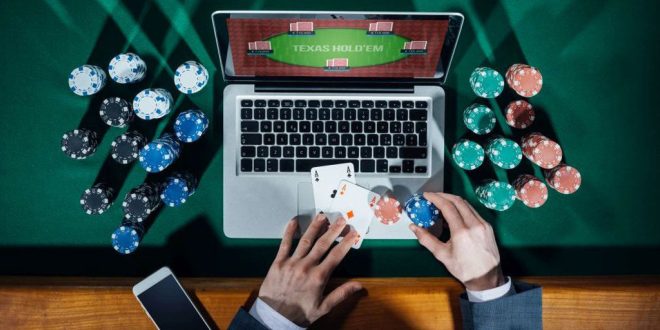
Moreover, gambling is often portrayed in media and popular culture as glamorous and exciting, which can shape public perceptions significantly. Movies, television shows, and advertisements frequently romanticize gambling, depicting it as a pathway to wealth and success. This portrayal can influence individuals, creating unrealistic expectations about the potential for winnings and the lifestyle associated with gambling. Such narratives may encourage increased participation, particularly among impressionable audiences.
Additionally, the advent of online gambling platforms has transformed the landscape, making it more accessible than ever. Social media and online communities create an online culture surrounding gambling, where individuals share experiences and strategies. This connectivity can amplify the subconscious urge to gamble, as people often seek validation and support from their peers. The intertwining of social media and gambling highlights how cultural factors contribute to the psychology of gambling and its deep-seated influence on individual behaviors.
Understanding Gambling through Our Website
Our platform is dedicated to delving into the intricate psychology behind gambling and the various factors influencing why we play. By offering insights and comprehensive analyses, we aim to provide a deeper understanding of the motivations and behaviors associated with gambling. We highlight not only the allure of risk but also the cognitive biases that can affect decision-making processes, ultimately empowering readers to make informed choices.
Furthermore, our website serves as a resource for individuals seeking help or looking to understand their gambling behaviors better. We provide access to tools, articles, and expert advice designed to support those dealing with gambling-related issues. By fostering a community of awareness and education, we hope to facilitate healthier gambling practices and promote responsible play among our audience.
Ultimately, understanding the psychology of gambling is crucial for recognizing its impact on individuals and society. Our platform is committed to exploring these intricate dynamics, contributing to a greater awareness of the risks and rewards associated with gambling. Through education and support, we strive to empower individuals to engage with gambling responsibly and thoughtfully.