Most punters know the feeling of a quiet evening turning into a long session, but the line between a bit of fun and something heavier is thinner than it looks. In Australia, where pokies and live dealer tables sit side by side in so many venues and apps, it helps to have a clear head about what healthy play actually looks like. This piece walks through the common signs of problem gambling, the practical limits that keep sessions honest, and the everyday habits that separate a tidy session from a spiral. It’s written for adults 18+ who want to stay in control, not for anyone chasing a quick fix.
When the numbers stop adding up
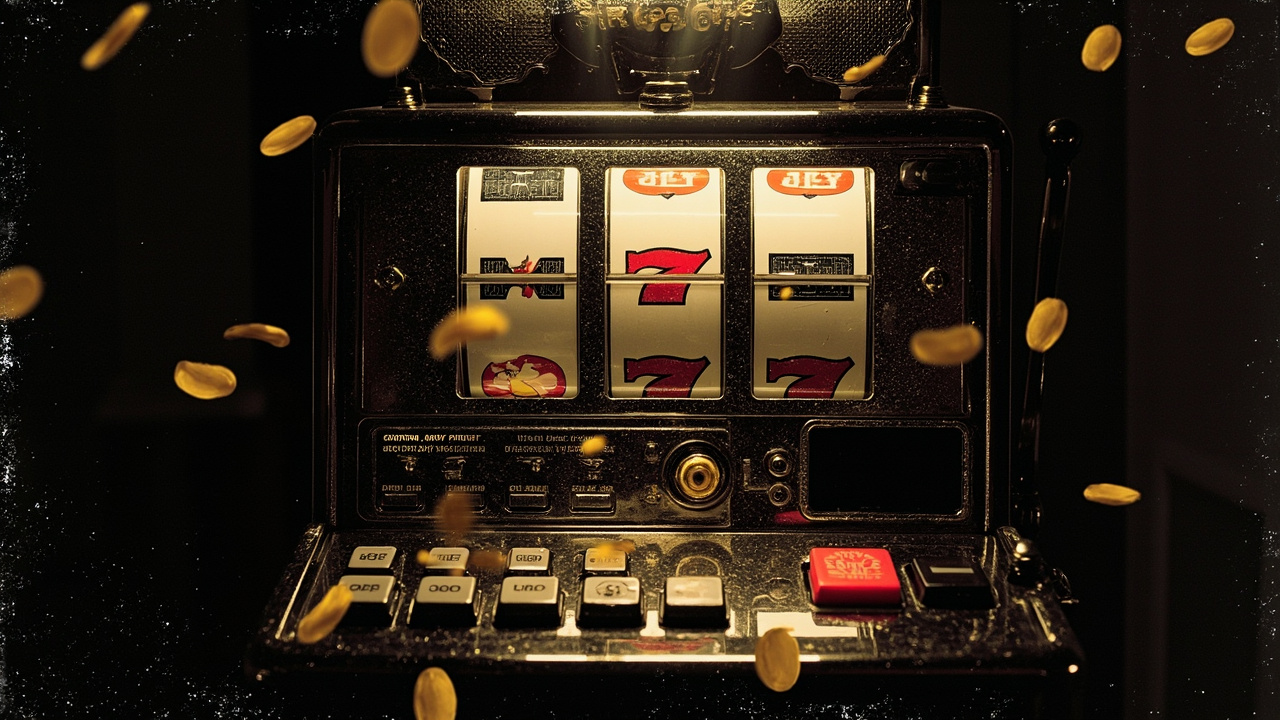
From a maths standpoint, I’ve spent years modelling session variance and hit frequency for slot development, and the first thing that breaks in a problematic pattern is the bankroll plan. A healthy session usually has a fixed entry, a soft stop, and a pre-decided walk-away point; when those three disappear, the session starts running on momentum instead of maths. You might notice the hours stretching well past what you intended, or the stake creeping up after a short run because you’re trying to “even it out”. That’s one of the clearer signs of problem gambling, and it’s not about one bad night – it’s about the pattern repeating across weeks. I’ve seen operators in Europe and Asia build in session timers and reality checks because the data shows people consistently underestimate elapsed time once they’re in the flow. Down here, a mate in Adelaide told me he set a twenty-minute alarm on his phone for his Friday arvo session, and it was the only thing that kept him from riding a bonus round into the early hours. The trick isn’t perfection; it’s having a hard boundary that doesn’t move just because the reels are warm.
If you’re checking your own habits, a few concrete markers tend to show up before things get messy. Chasing losses with larger bets, borrowing or reallocating money earmarked for bills, and hiding the size of a session from people close to you are all practical warning signs rather than moral failings. The same pattern shows up in how people talk about play after the fact – defo more “I was lucky” and less “I stuck to my limit”. On the operator side, I’ve reviewed platforms across multiple markets, and the ones that actually help players stay grounded tend to offer straightforward reality checks, easy deposit caps, and a clear path to pause or self-exclude without burying the tools three menus deep. If you’re weighing up where to play or how to keep a session tidy, it’s worth taking a look at https://logincrocospins.com/ and seeing whether the tools match what you actually need on a weeknight, not just what looks tidy on a landing page. A platform that treats responsible play as a feature rather than a footnote usually makes the whole session feel more manageable, and that’s the kind of design choice I look for when I’m judging production quality across a portfolio.
The everyday habits that slip quietly
Not every warning sign looks dramatic. Sometimes it’s the small, ordinary things that shift first. You might find yourself planning the next session before the current one has even finished, or treating a win as money that “needs” to be put straight back in rather than taken out. I’ve sat in on content reviews where the team talked about loyalty programmes and bonus mechanics, and the honest read is that well-built rewards can be a genuine convenience – but they can also blur the line between a treat and a routine if the thresholds keep creeping up. In my experience producing iGaming content across multiple regions, the operators that handle this well keep bonus terms plain, set wagering limits that don’t balloon into something unmanageable, and make the support path visible before a player has to hunt for it. A short observation from the floor: a regular at a suburban venue in Adelaide once told me he only started noticing his own pattern when the cashier began recognising him by name and asking whether he wanted the usual. That kind of familiarity is friendly until it isn’t, and it’s worth asking yourself whether the routine is serving you or just keeping you seated.
Two practical voices in the space put it plainly. Lily Stewart, Compliance Director, Red Centre Analytics, noted that the clearest early signal is often behavioural rather than financial: “When a player starts restructuring their week around sessions instead of fitting sessions around the week, that’s usually the point where a nudge or a cap does more good than another promotion.” Dylan Green, Head of Live Casino, Coral Coast Interactive, added a caveat that’s worth hearing: “Live tables can feel social and slower than a pokie, but the pace still adds up, and a player who’s already stretched thin shouldn’t assume the format alone will keep things calm.” Those aren’t scare quotes; they’re reminders that the format doesn’t override the habit. If you’re reading your own play and noticing the same thoughts looping – “just one more”, “I’ll stop after this hand”, “I can sort it next week” – that’s a useful moment to step back and reset the boundary before it hardens into something heavier.
Limits, tools, and the places they actually help
The practical side of staying in control comes down to limits that are set before the session, not argued with during it. Deposit caps, loss limits, session timers, and self-exclusion options all work best when they’re easy to find and hard to quietly override. I’ve reviewed enough platforms in Australia, Europe, and Asia to know that a tool is only as good as its friction level – if it takes half a dozen clicks and a password reset to lower a cap, most people won’t use it when they’re already in the middle of a run. The operators that get this right tend to keep the responsible-play controls on the same screen as the account settings, with plain language instead of a wall of terms. That’s the kind of everyday usability that makes a difference when you’re tired, a bit ahead, or just keen to keep the night going. It’s also the kind of design choice that separates a platform built for steady play from one that’s mostly optimised for keeping you clicking.
A couple of grounded details help make this real. If you’re playing from home on a phone, the temptation to keep the tab open “just in case” is real, and that’s where a session timer that actually locks you out for a bit does more good than a polite reminder you can dismiss in a second. If you’re visiting a venue, the physical environment matters too – the noise, the lights, the rhythm of the machines, the way a short win can reset your attention. I’ve watched a friend in Adelaide step away from a busy evening, have a coffee, and come back with a much clearer read on whether he actually wanted another twenty minutes or was just following the momentum. None of this is about shame or pretending play is something it isn’t. It’s about recognising the signs of problem gambling early enough to adjust the boundary, using tools that are actually there when you need them, and knowing that a pause is a normal part of staying in control, not a failure of willpower.

Glossary
- Bankroll – the money set aside for play, separate from everyday spending.
- Reality check – a periodic prompt that shows elapsed time and current balance.
- Session timer – a tool that ends or pauses play after a set period.
- Deposit cap – a limit on how much can be deposited over a chosen period.
- Self-exclusion – a voluntary option to block access for a set time or indefinitely.
- Wagering requirement – the turnover needed before bonus funds can be withdrawn.